

What a Hotel Actually Owes You
Thread count is a distraction. After a few hundred nights in other people's beds, here is the short list of things that genuinely separate a great hotel from an expensive one.
There is a particular kind of disappointment that only expensive hotels can deliver. You have paid a great deal of money. The lobby is enormous. There is a man in a top hat outside. And yet by the second morning you are quietly furious about the shower, or the breakfast queue, or the fact that nobody has learned your name.
Luxury hotels have spent two decades competing on the wrong things. Thread counts, pillow menus, the size of the television. None of it matters much. What follows is the list I actually judge a hotel by, assembled over a few hundred nights of sleeping in other people's beds and paying for the privilege.
1. A bed you do not have to negotiate with
This sounds obvious and is routinely got wrong. A great hotel bed is firm enough to hold you, soft enough to forgive you, and made with linen that has been laundered rather than merely washed. You should be able to get into it without adjusting anything.
The tell is the pillow. If a hotel offers you a menu of eleven pillows, it usually means the standard one is bad. The best hotels simply put the right pillow on the bed and say nothing about it.
2. Water pressure, and a shower you can work out in the dark
Nothing exposes a hotel faster than its bathroom. Water pressure is a plumbing decision made years before you arrived and cannot be faked with marble. Neither can a shower control that a jet-lagged adult can operate at four in the morning without turning on the lights and reading a diagram.
The Upper House in Hong Kong understands this. So does Aman. A surprising number of famous, historic, absurdly expensive hotels do not.
3. Staff who are allowed to make decisions
The single clearest signal of a well-run hotel is whether the person in front of you can solve your problem without leaving to ask someone. Great hotels push authority downward. The concierge can comp the breakfast. The housekeeper can find you a different room.
You can test this in about thirty seconds with a small, reasonable, slightly awkward request. Watch what happens. If the answer involves a manager, a form, and a delay, you have learned everything about how the next three days will go.
4. Silence, or a convincing impression of it
Noise is the most expensive thing to fix and the easiest thing to ignore in the design phase. Corridor doors that slam, lifts that ping, air conditioning that cycles on with a shudder at two in the morning, a restaurant extractor humming below your window.
The hotels that get this right tend to be the ones that were built by people who intended to stay in them. It is not a coincidence that the quietest room I have slept in was thirty-three floors above one of the loudest cities on earth.
5. Breakfast that respects your morning
Breakfast is where hotels reveal what they actually think of you. A vast buffet under heat lamps says they are processing volume. Eggs cooked to order, good coffee arriving without a negotiation, and a table you do not have to queue for says they are looking after guests.
The cost difference between these two approaches is much smaller than hotels pretend. The difference in how the day starts is enormous.
6. A sense of where you are
The greatest failure of modern luxury hotels is interchangeability. You could photograph a hundred five-star rooms built since 2010 and struggle to place any of them on a map. Beige, backlit onyx, an orchid, a Nespresso machine.
The hotels worth crossing a continent for feel like they could not exist anywhere else. Kashmiri papier-mache and a wood stove in Gulmarg. Cedar and stone and mist. A palazzo where the water laps at the front door. That specificity is the whole point, and it is the first thing cut when a hotel is run by a spreadsheet.
The short version
Sleep, water, staff, silence, breakfast, and a sense of place. Everything else is decoration. If a hotel gets those six right, it can skip the pillow menu entirely and I will still recommend it to my friends.
Hotels Worth a Look
 Urban Retreat
The Upper House
Andre Fu's serene interiors, unusually large rooms, and a top-floor restaurant with harbour views make this the thinking traveller's Hong Kong hotel. Quiet luxury, done to perfection.
From $550 / night
 Urban Sanctuary
Aman Tokyo
Thirty-three floors above Otemachi, Aman took the top of a corporate tower and made it the calmest room in Tokyo. It works because of everything it leaves out.
From $1,150 / night
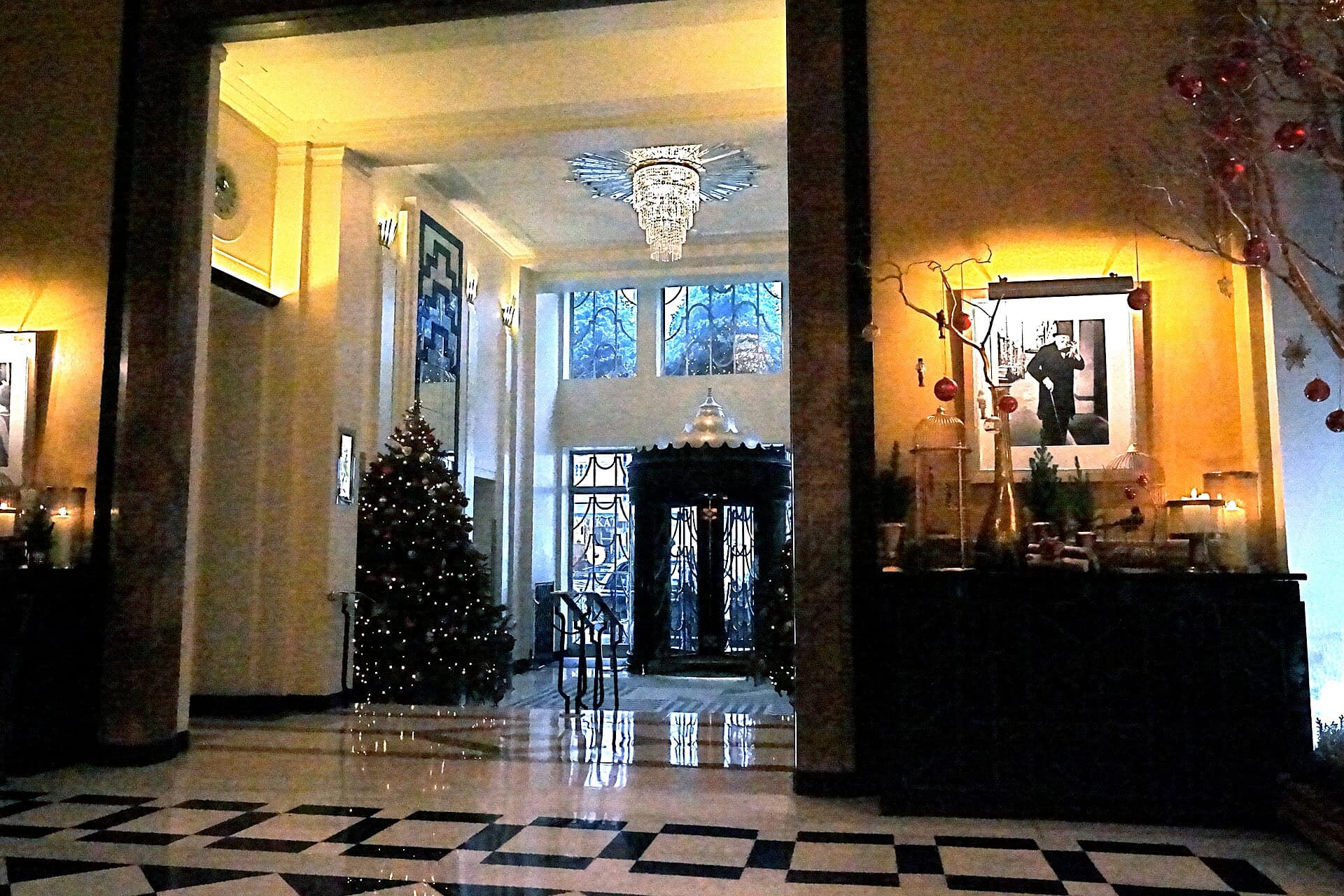 Grande Dame
Claridge's
Royalty checks in under pseudonyms, the foyer pours the best afternoon tea in London, and the service runs like a Swiss watch in white gloves.
From $990 / night

